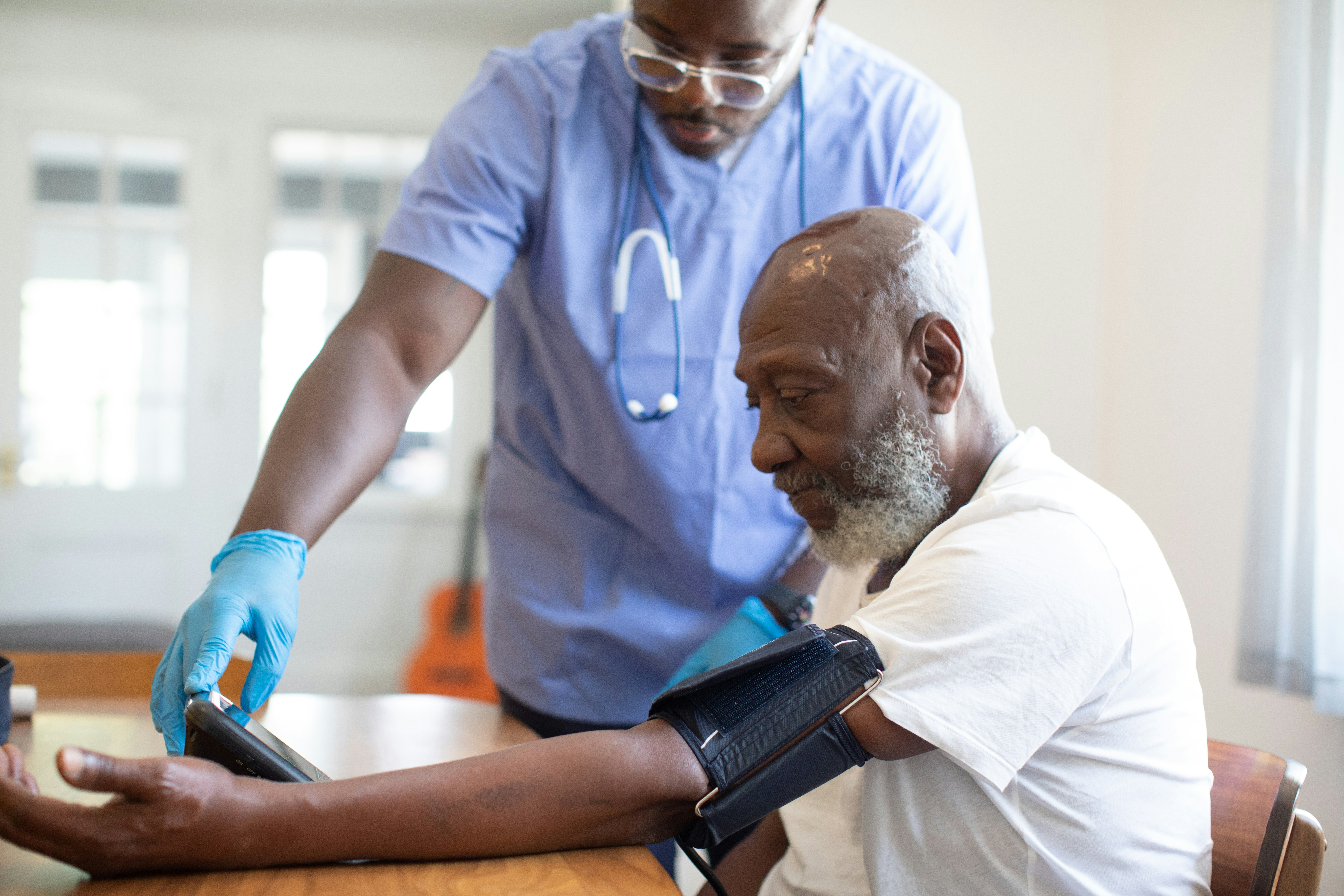
When people hear "social worker," they often picture someone who works with children in foster care. And while child welfare is certainly an important part of the profession, the reality is much broader. Social workers serve in hospitals, schools, mental health clinics, government agencies, nonprofits, courtrooms, and private practices. They help individuals and families navigate crises, access resources, and build better lives.
If you're exploring social work as a career, writing a job posting for your organization, or simply curious about what the profession actually involves, here's a comprehensive look at what social workers do, the skills they need, and where the field is headed.
What Does a Social Worker Do?
At its core, social work is about helping people function at their best within their environments. Social workers assess needs, connect people to resources, provide therapeutic interventions, and advocate for systemic change. They work with individuals, families, groups, and communities.
It's worth clarifying how social work differs from related professions:
- Counselors and therapists primarily provide talk therapy in clinical settings. Licensed clinical social workers (LCSWs) can also provide therapy, but social work training emphasizes a broader systems perspective.
- Psychologists focus on assessment, testing, and research-informed therapy. They typically hold doctoral degrees.
- Social workers are trained to consider the whole picture: a person's mental health, physical health, housing, employment, family dynamics, community resources, and the policies that affect their lives.
This "person-in-environment" perspective is what makes social work unique and is why social workers are found in nearly every human service setting.
Daily Responsibilities
A social worker's typical day varies enormously depending on their setting and specialization, but common responsibilities include:
- Client assessments: Conducting intake interviews, evaluating needs, and developing service plans. This often involves structured assessment tools along with clinical observation.
- Documentation: Writing case notes, progress reports, treatment plans, and court reports. Documentation can consume 25-50% of a social worker's time, which is why having efficient tools matters so much.
- Resource coordination and referrals: Connecting clients to services like housing assistance, food programs, substance abuse treatment, job training, and medical care.
- Crisis intervention: Responding to emergencies including child abuse reports, psychiatric crises, domestic violence situations, and natural disasters.
- Therapy and counseling: For clinically licensed social workers, providing individual, group, and family therapy sessions.
- Home visits: Assessing living conditions, checking on client safety, and providing in-home support services.
- Court appearances: Testifying in custody hearings, dependency proceedings, and other legal matters.
- Collaboration: Working with interdisciplinary teams including doctors, teachers, lawyers, and other professionals.
- Advocacy: Speaking up for clients' rights and working to change policies that affect vulnerable populations.
No two days look the same, which is something that draws many people to the profession and challenges others.
Essential Skills
Social work requires a combination of interpersonal abilities and professional competencies:
Interpersonal Skills
- Communication: Clear, empathetic communication with clients, families, colleagues, and external agencies. This includes active listening, motivational interviewing, and the ability to explain complex situations in plain language.
- Empathy: The ability to understand and share the feelings of others without losing professional objectivity. Empathy builds trust, and trust is the foundation of effective social work.
- Cultural competence: Working effectively with people from diverse backgrounds, understanding how culture influences behavior and attitudes, and recognizing your own biases.
- Resilience: The emotional strength to work with people in crisis and difficult circumstances without being overwhelmed. Building resilience is an ongoing practice, not a fixed trait.
Professional Skills
- Critical thinking: Analyzing complex situations, weighing evidence, and making sound decisions under pressure. Social workers often navigate situations with incomplete information and competing priorities.
- Organization and time management: Managing large caseloads with multiple deadlines, court dates, and reporting requirements. Strong organizational skills are what keep good social workers from becoming overwhelmed.
- Assessment and diagnosis: For clinical social workers, the ability to conduct psychosocial assessments and, where licensed, provide clinical diagnoses.
- Boundary setting: Maintaining professional boundaries while building genuine rapport with clients. This is a skill that requires ongoing attention and is essential for preventing burnout.
Types of Social Workers and Specializations
Social work offers a wide range of specializations, each with its own focus and client population:
- Clinical social workers (LCSW): Provide therapy and mental health treatment. Work in private practices, hospitals, and mental health clinics. This is the most common specialization for MSW graduates.
- Child and family social workers: Work with families involved in the child welfare system, including foster care, adoption, and family preservation services.
- School social workers: Support students' academic and social-emotional development. Address issues like bullying, truancy, family instability, and mental health concerns in school settings.
- Healthcare social workers: Help patients and families navigate the healthcare system, including discharge planning, chronic illness management, and end-of-life care.
- Community social workers: Focus on organizing communities, developing programs, and advocating for policy changes that address systemic issues.
- Gerontological social workers: Specialize in working with older adults and their families, addressing issues like aging, dementia, long-term care, and elder abuse.
- Forensic social workers: Work within the criminal justice system, including courts, prisons, and probation departments. They may provide expert testimony, conduct risk assessments, or develop reentry programs.
 Social work specializations span from clinical therapy and child welfare to forensic assessments and gerontological care.
Work Settings
Social workers practice in a remarkable variety of settings:
- Government agencies: Child protective services, public welfare departments, Veterans Affairs, and public health agencies. Government positions often come with strong benefits and pension plans.
- Hospitals and healthcare systems: Medical social workers help patients navigate complex health situations, coordinate care, and plan for discharge.
- Schools (K-12 and universities): School social workers are integral members of student support teams, providing counseling and connecting families to resources.
- Nonprofits and community organizations: Many social workers work for organizations providing direct services to specific populations, from homeless shelters to refugee resettlement agencies.
- Private practice: Licensed clinical social workers can build independent therapy practices. This offers the most autonomy and often the highest earning potential, though it also requires business skills. For a deeper look at compensation across all settings and states, socialworksalaries.com is a useful resource.
- Corrections and criminal justice: Social workers in this setting work with incarcerated individuals, people on probation or parole, and their families.
Some social workers also work as travel social workers, taking temporary contract assignments across the country for higher pay and diverse experience.
Education and Licensing Requirements
The path to becoming a social worker involves specific education and licensure steps:
- BSW (Bachelor of Social Work): Four-year degree qualifying you for entry-level positions. Not all states require licensure at this level.
- MSW (Master of Social Work): Two-year graduate degree (or one year with advanced standing for BSW holders). Required for clinical practice and most specialized roles.
- Licensure: Varies by state but generally includes passing an ASWB exam and completing supervised clinical hours for clinical licensure.
For a complete breakdown of timelines and requirements at each level, see our detailed guide on how long it takes to become a social worker.
Career Outlook: 2024-2034
The job market for social workers is strong and getting stronger. According to the Bureau of Labor Statistics:
- 810,900 social workers are currently employed in the United States
- 6% job growth is projected from 2024 to 2034, faster than the average for all occupations
- ~74,000 annual openings are expected each year, driven by both growth and the need to replace workers who retire or leave the profession
Demand is particularly strong in:
- Mental health and substance abuse: Growing awareness and expanded insurance coverage are driving demand for clinical social workers.
- Healthcare: An aging population needs more medical social workers to help navigate complex care needs.
- Schools: Increased focus on student mental health has led many districts to expand their school social work teams.
- Rural and underserved areas: Geographic shortages create opportunities, especially for social workers willing to work in less populated regions or through telehealth.
The Social Work Licensure Compact, now active in 31 states, is also expanding opportunities by making it easier to practice across state lines.
 With 74,000 annual openings projected through 2034, social work offers both job security and the chance to make a tangible difference.
Tools That Make the Job Easier
Regardless of your specialization or setting, documentation is a constant in social work. Case notes, treatment plans, assessments, and reports are part of every social worker's day. The right tools can turn documentation from a burden into a manageable part of your workflow.
Notehouse is designed specifically for human services professionals who need to keep detailed, organized, and secure notes without the steep learning curve of enterprise software. It's an affordable option that helps social workers spend less time on paperwork and more time with the people they serve.
Is Social Work the Right Career for You?
Social work is a career for people who want to make a tangible difference and are willing to do the hard work that requires. It's emotionally demanding, often underfunded, and rarely glamorous. But it's also deeply meaningful, endlessly varied, and increasingly recognized as essential.
If you're drawn to helping people, thinking systemically, and advocating for justice, social work offers a career where you can do all three. If you're still weighing your options, shouldibecomeasocialworker.com can help you think through whether the profession is the right fit for you. Explore our social worker resources for more tools and information to help you on your journey, and check out Notehouse to see how the right technology can support you every step of the way.

Lauren A. Burke, Esq.
Nonprofit & Social Impact Entrepreneur